Yang's Caligraphy 杨叔叔的书法
In Datong, Shanxi, there is a region that few people pay much attention to, called Yanbei. Its name literally translating to "north of the wild geese", it is one of the most vast and open places in northern China. The winds there sweep across the yellow soil, carrying dreams of young spirits. It was here where Uncle Yang’s dream of calligraphy first began.
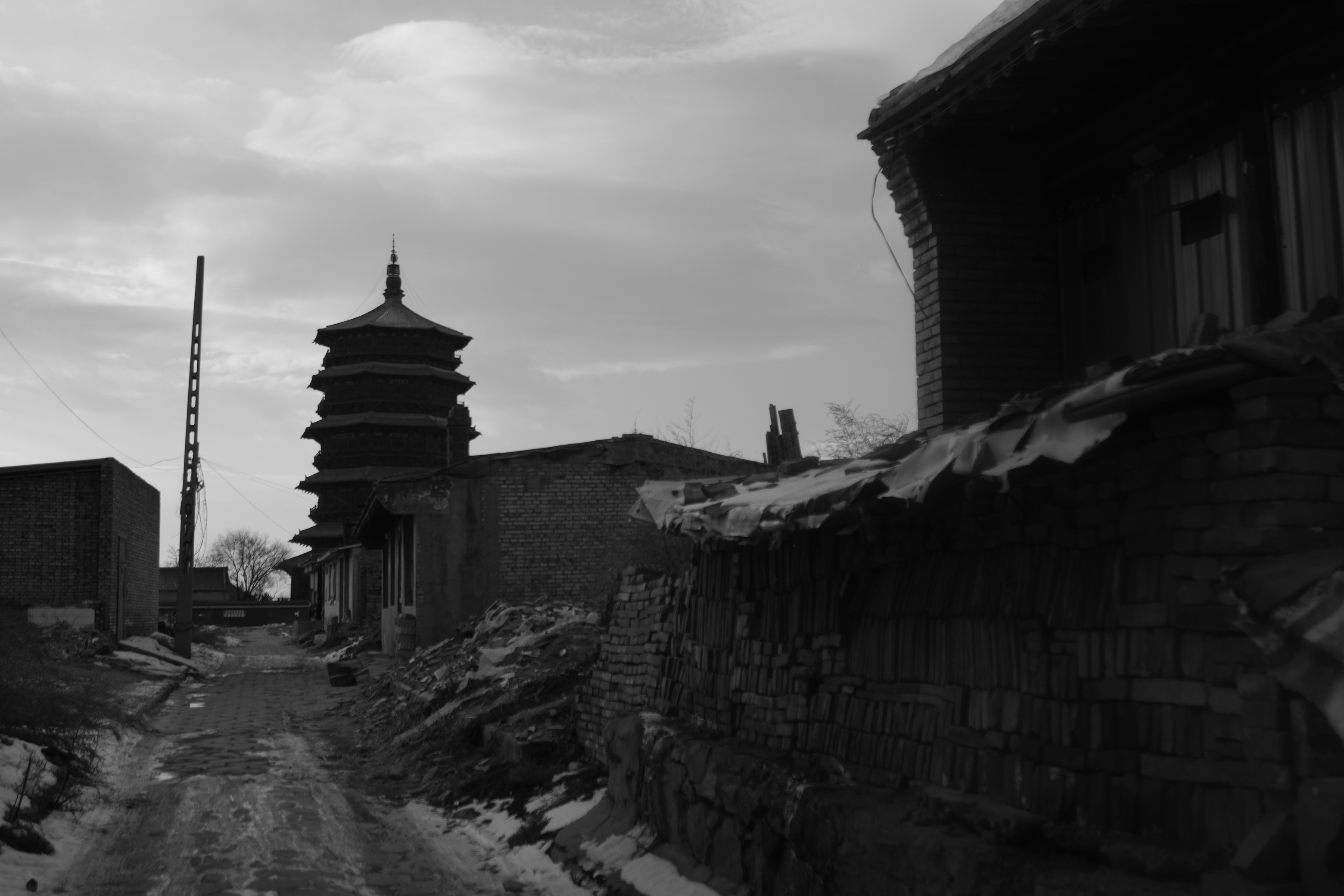
At school age, he was already immersed in the world of traditional Chinese painting and calligraphy. He learned from local calligraphy masters, spending his days with brushes, ink, paper, and inkstones. To him, writing was more than simply learning a skill. It was a way of connecting with a culture that had been passed down for centuries. Through every stroke, he gradually came to understand the discipline of calligraphy and the emotions held within each character.
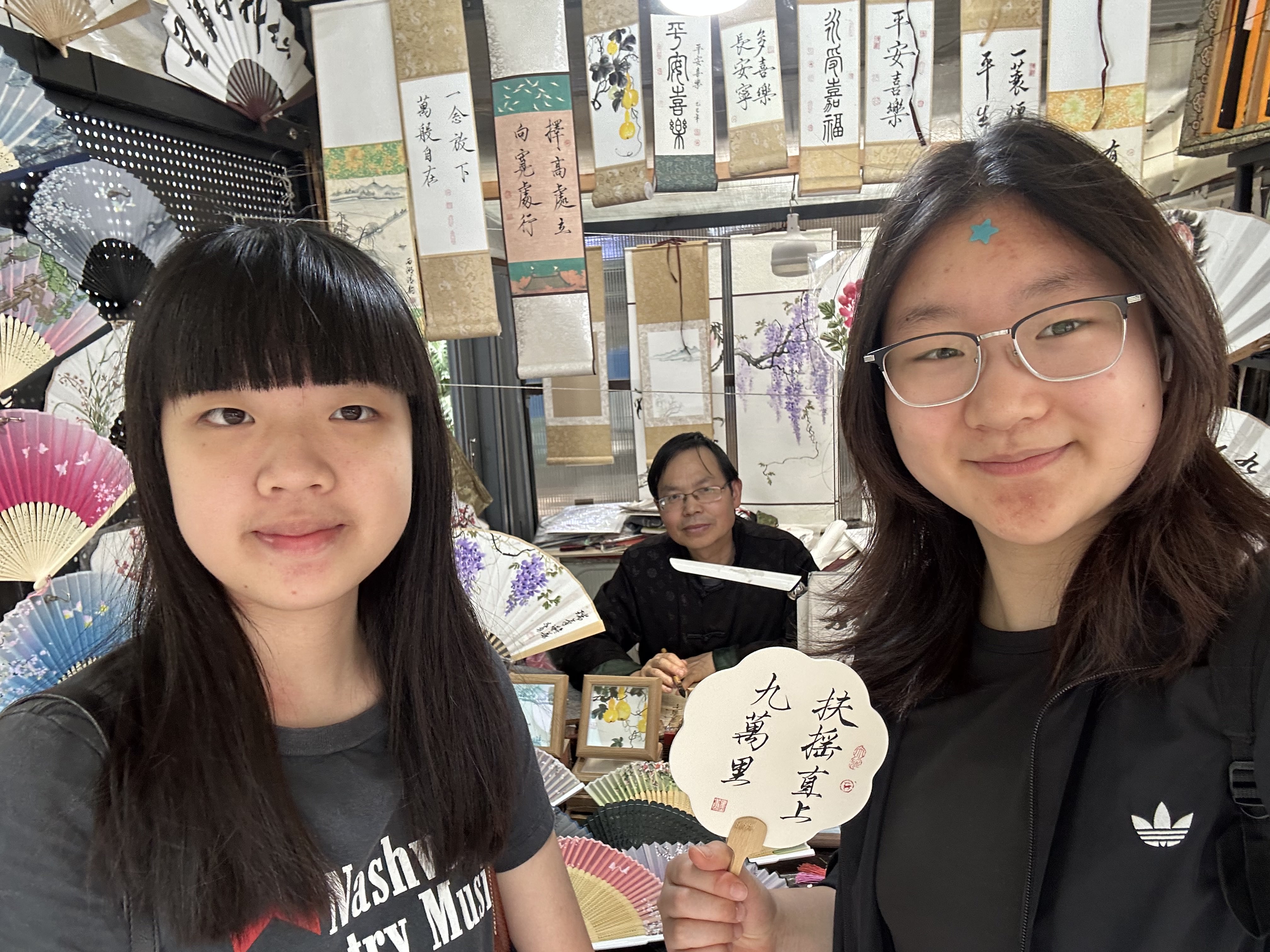
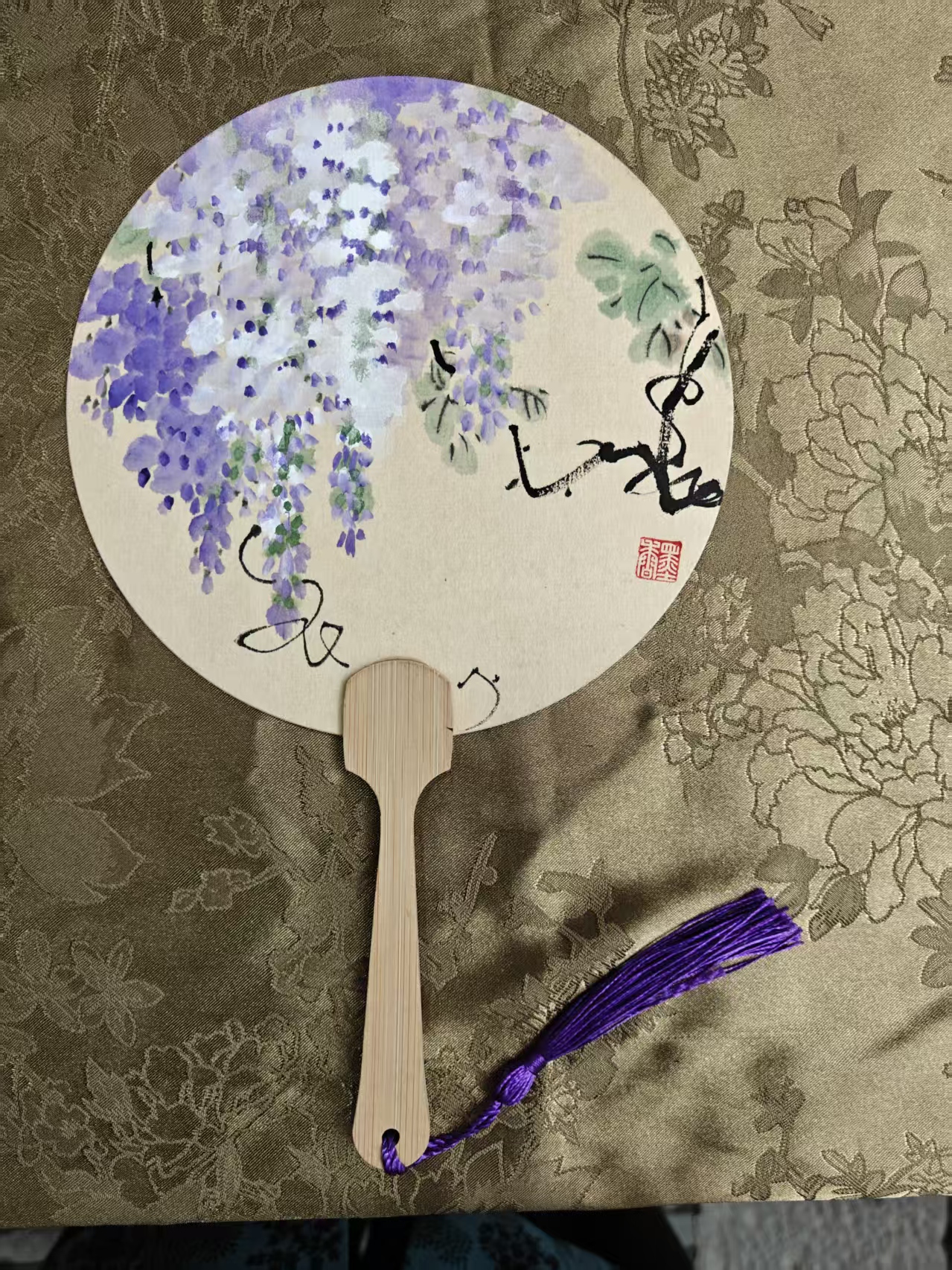
As he grew older, he left his hometown and travelled south to Hangzhou, where he discovered Hangzhou’s traditional fans. He began writing his own poems on their surfaces, allowing words to unfold into people's everyday lives. To him, calligraphy was a way of capturing the world as he saw it and preserving the emotions of those who lived in it.
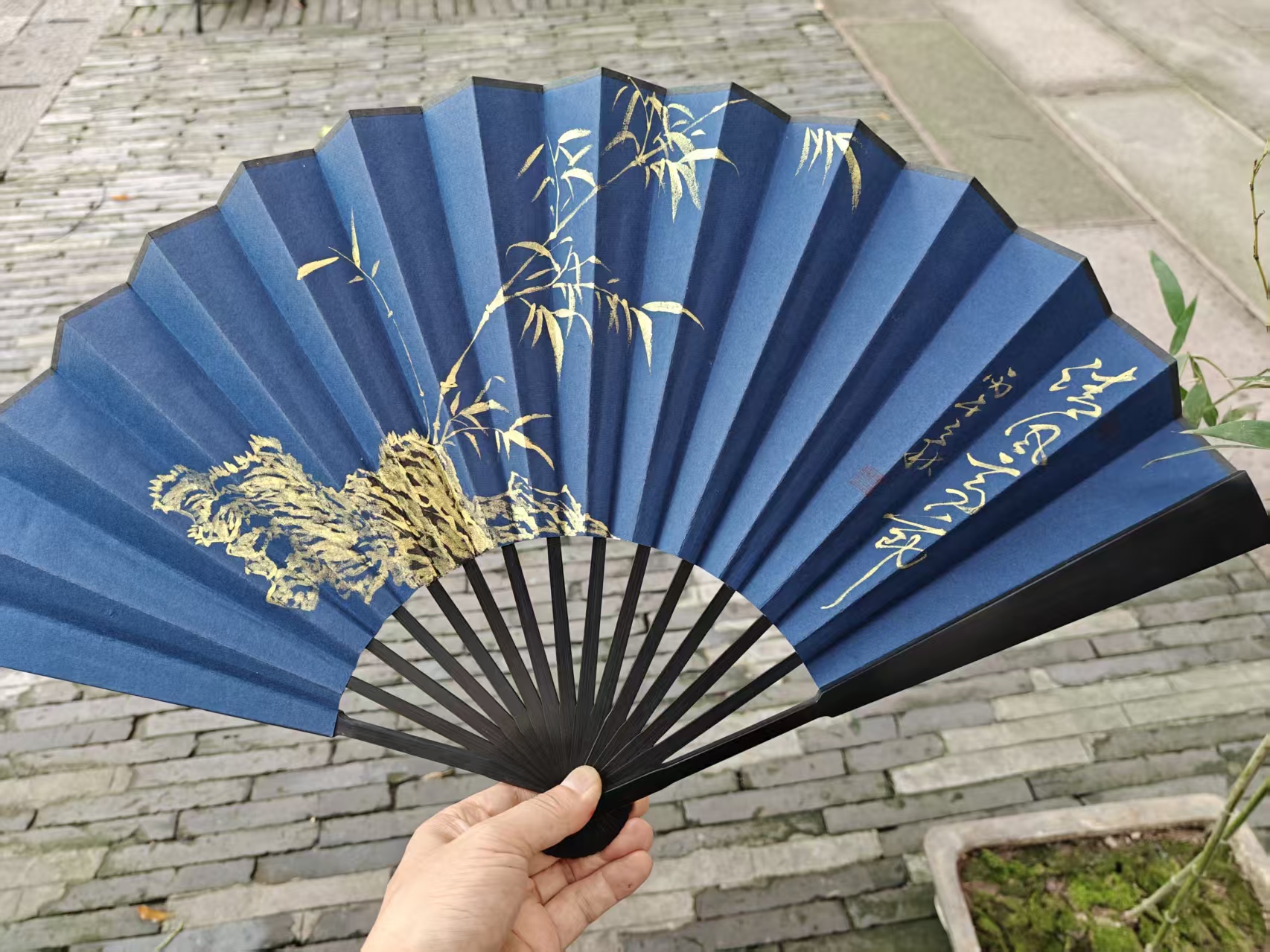
Having grown up in the countryside, Uncle Yang developed a particularly steady style of writing. He especially admires shoujinti and regular script, appreciating their elegance and precision. He believes that even when writing the same character, each person leaves behind something different. The way someone writes reflects not only their artistic preferences, but also the places they have been and the people they have encountered along the way.
Today, Uncle Yang often wanders through the streets of Hangzhou, writing poems for strangers he meets along the way. Sometimes, a simple conversation gives him inspiration; other times, a poem reminds someone of their hometown or a memory from years ago. Through these unexpected encounters, calligraphy becomes more than an art form on paper. It becomes a way for people to connect with one another.
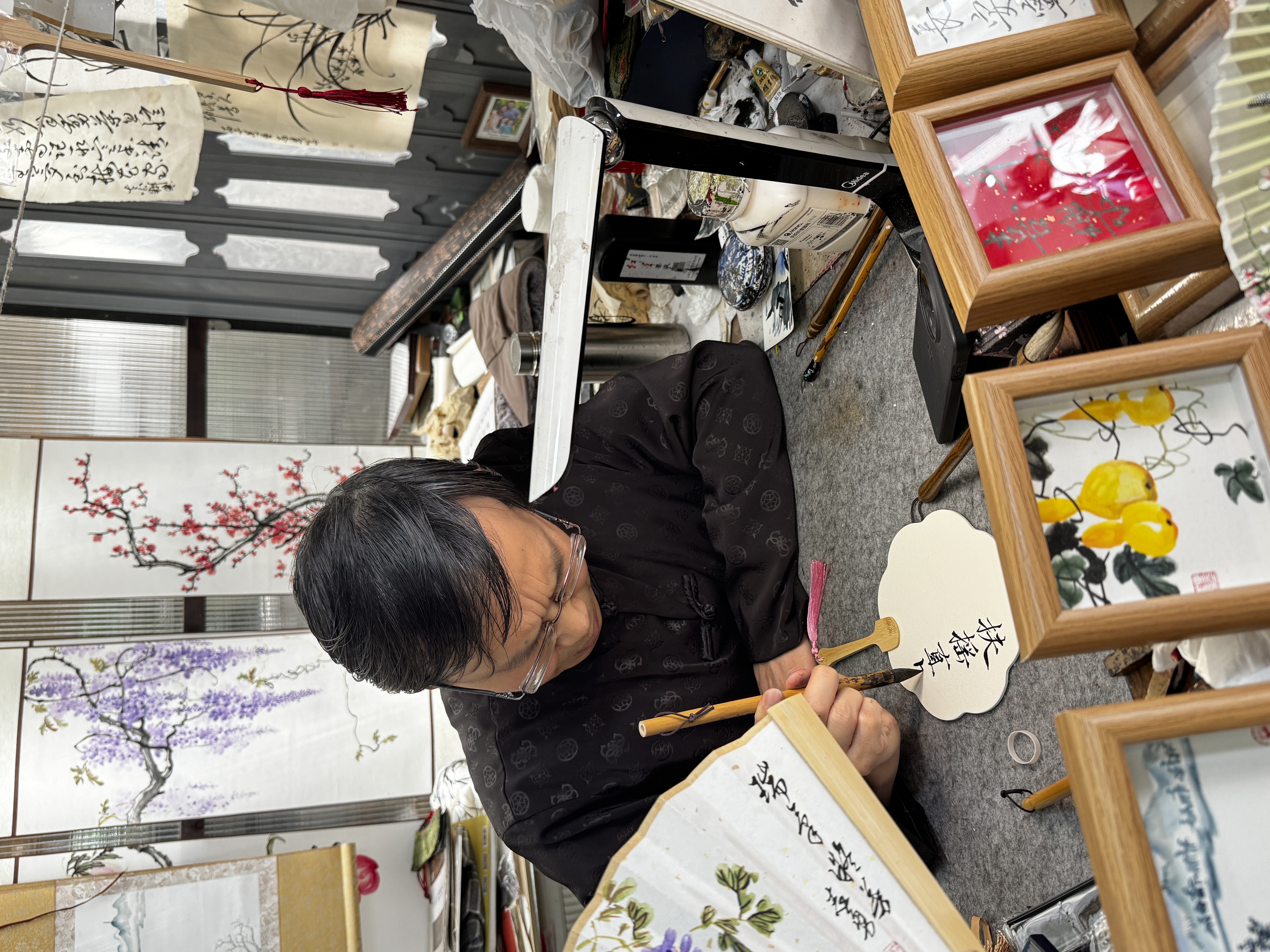
In an age when people are accustomed to communicating through their phones, writing by hand seems to have become increasingly distant from everyday life. Yet Uncle Yang still believes that ink and brush carry a warmth that cannot be replaced. Each stroke takes time, and the characters left on paper preserve something of the writer's state of mind in that moment.
To him, preserving calligraphy does not mean keeping tradition trapped in the past. It means allowing it to remain part of life today. A traditional fan, a poem, or even a single character written for a stranger can become a meeting point between an ancient cultural practice and the modern world.
Uncle Yang continues to wander through the streets of Hangzhou, watching people come and go, recording their fleeting encounters with the brush in his hand.
He says that these are the traces we leave behind to prove our existence.
山西大同,有一片人们不怎么关注的土地,名叫雁北。大雁以北,这里是中国北方辽阔而自由的地方。风吹过黄土高原,也吹过无数在这里生长的梦想。杨叔叔的书法梦,便从这里开始。
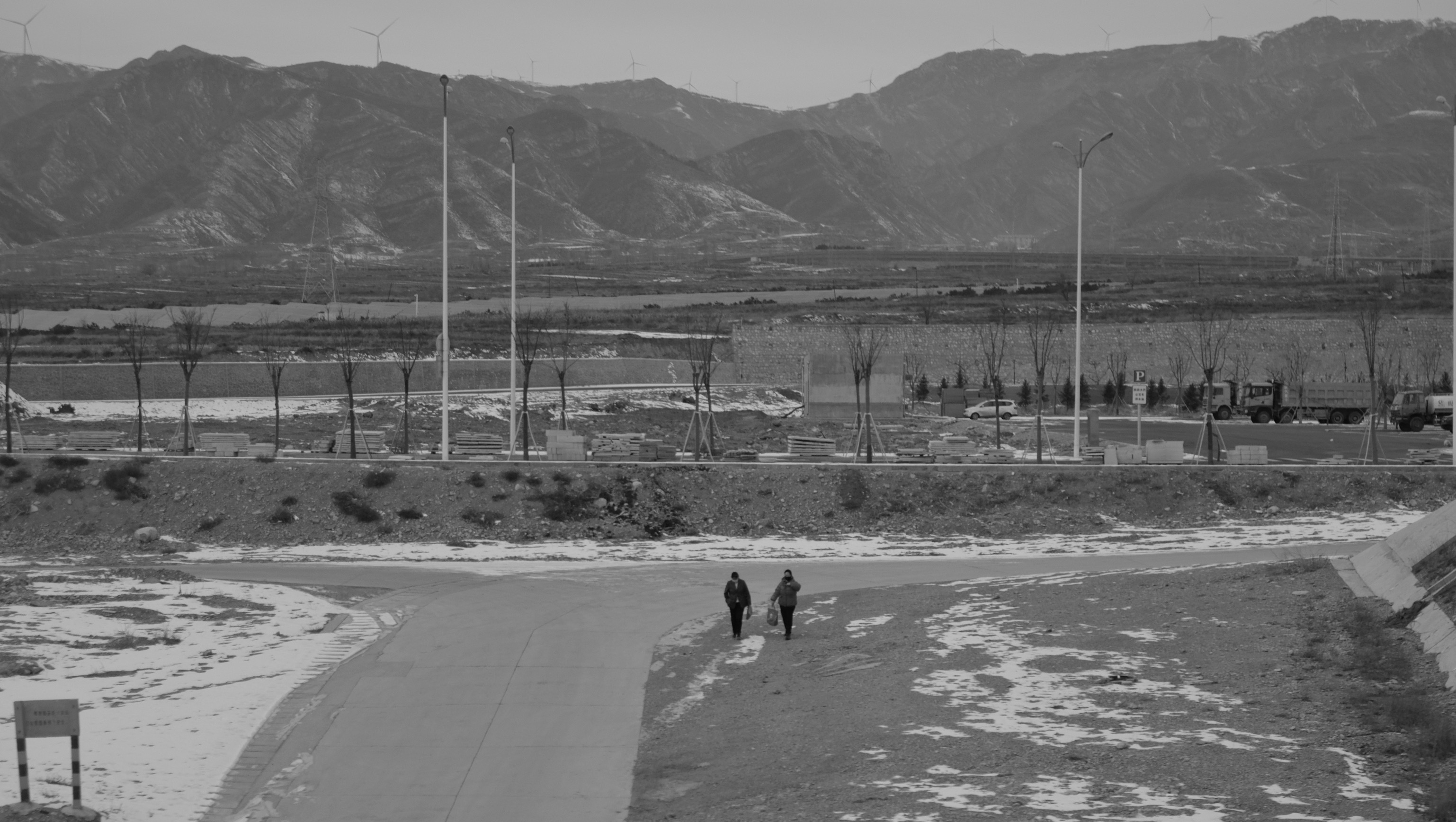
在上学的年纪,他便沉浸在了传统书画的世界里,跟随当地的书法前辈学习,与笔墨纸砚为伴。对年少的他而言,写字不只是学习一门技艺,更像是在与一种古老的文化对话。一笔一画之间,他逐渐体会到书法的规矩,也感受到文字背后沉淀的情感。
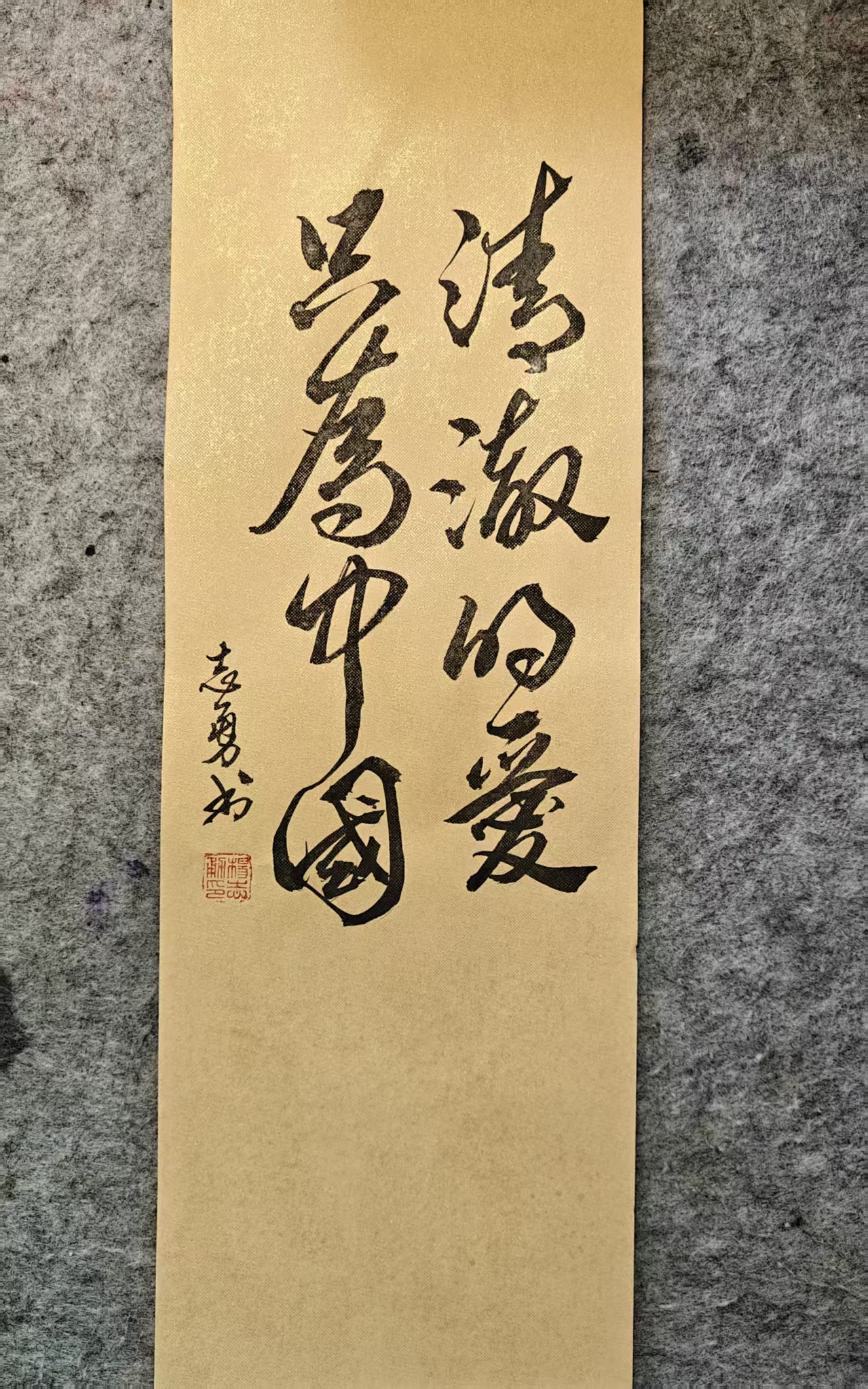
长大后,他离开家乡,来到杭州,又遇见了杭扇。他开始将自己创作的诗词写在扇面上,让文字随着扇子的展开走进人们的生活。他说,书法是捕捉世界模样、记录人类情感的一种方式。
从乡土中走来的杨叔叔,书法风格格外沉稳。他尤其喜欢瘦金体与楷书,欣赏其中的清劲与端正。在他看来,即使是同一个字,不同的人写出来,也会有截然不同的气质。一个人的书写习惯,不仅反映着他的审美,也藏着他走过的路和经历过的故事。
如今,杨叔叔常常穿梭在杭州的街头,为素不相识的人题诗。有时,一段简单的交谈便成为他创作的灵感;有时,一首诗也能让陌生人想起自己的家乡或某段往事。在这些偶然的相遇中,书法不再只是纸上的艺术,而成为人与人之间交流的媒介。
在这个习惯用手机传递信息的时代,亲手写字似乎成了一件越来越遥远的事。但杨叔叔仍然相信,笔墨有着不可替代的温度。每一次落笔都需要时间,而留在纸上的字迹,也保存着书写者当时的心境。
对他而言,传承书法并不意味着让传统停留在过去,而是让它继续走进今天的生活。一把杭扇、一首诗,甚至是为陌生人写下的一个字,都可以成为传统文化与当代生活相遇的起点。
杨叔叔依然走在杭州的街头,看着来来往往的人群,用手中的毛笔记录那些短暂的相遇。
他说,这才是人们留下的印记。