
Liu's Embroidery 刘阿姨的马尾绣
In southwestern China, Guizhou, an extraordinary embroidery tradition of the Shui ethnic community has perpetuated for centuries, transforming something as humble as a horse's tail into intricate works of art. Known as Shui horse-tail embroidery, this distinctive craft has been passed down through generations of Shui women, preserving the artistry, customs, and cultural memory of their community.
Unlike conventional embroidery, horse-tail embroidery uses actual horsehair as its foundation. Artisans begin by taking three to four strands of horsehair and tightly wrapping them in fine white silk thread, creating a firm, cord-like embroidery thread. This specially prepared thread is then carefully stitched along the outlines of traditional patterns. The enclosed spaces are filled with colourful silk threads, using techniques such as satin stitching, cross-stitching, and other intricate embroidery methods. The result is a striking, almost three-dimensional texture, with raised outlines that give each pattern the appearance of a miniature relief sculpture.
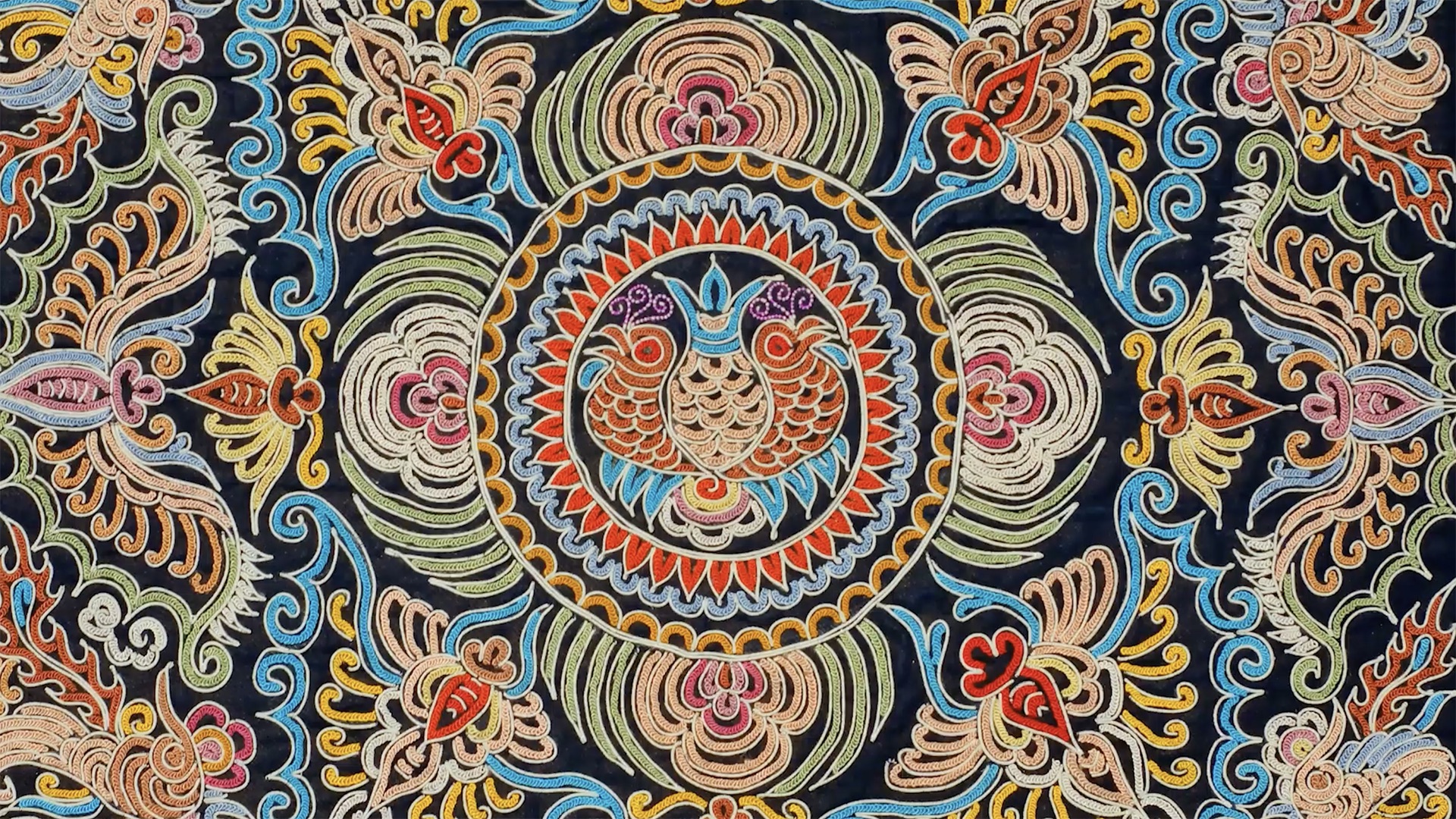
The craft is traditionally used to decorate a variety of objects, including children's carrying straps, embroidered shoes, clothing, baby hats, decorative pouches, and accessories. Among its most remarkable creations are daijie (歹结), traditional embroidered baby carriers. These are not merely functional objects: their elaborate patterns and carefully assembled embroidered panels turn everyday items into elaborate expressions of cultural identity. In fact, completing a traditional baby carrier can take an artisan approximately a year.
Behind these beautiful creations are artisans like Liu, whose relationship with embroidery is deeply personal. For Liu, this craft is more than a means of making a living; it is a way of remaining connected to her community and carrying its cultural heritage into the future. Despite the considerable demands of domestic responsibilities and the discouragement she has encountered within her family, she continues to create, hoping to preserve a tradition that means so much to her. Her determination reminds us that cultural heritage does not survive by itself. It depends on the people who devote their time, labour, and passion to keeping it alive.
Every piece of horse-tail embroidery carries more than threads and patterns. It carries the hands that made it, the stories that shaped it, and the voices that deserve to be heard. To preserve a tradition is not simply to remember the past, but to make room for the people who will carry it forward.
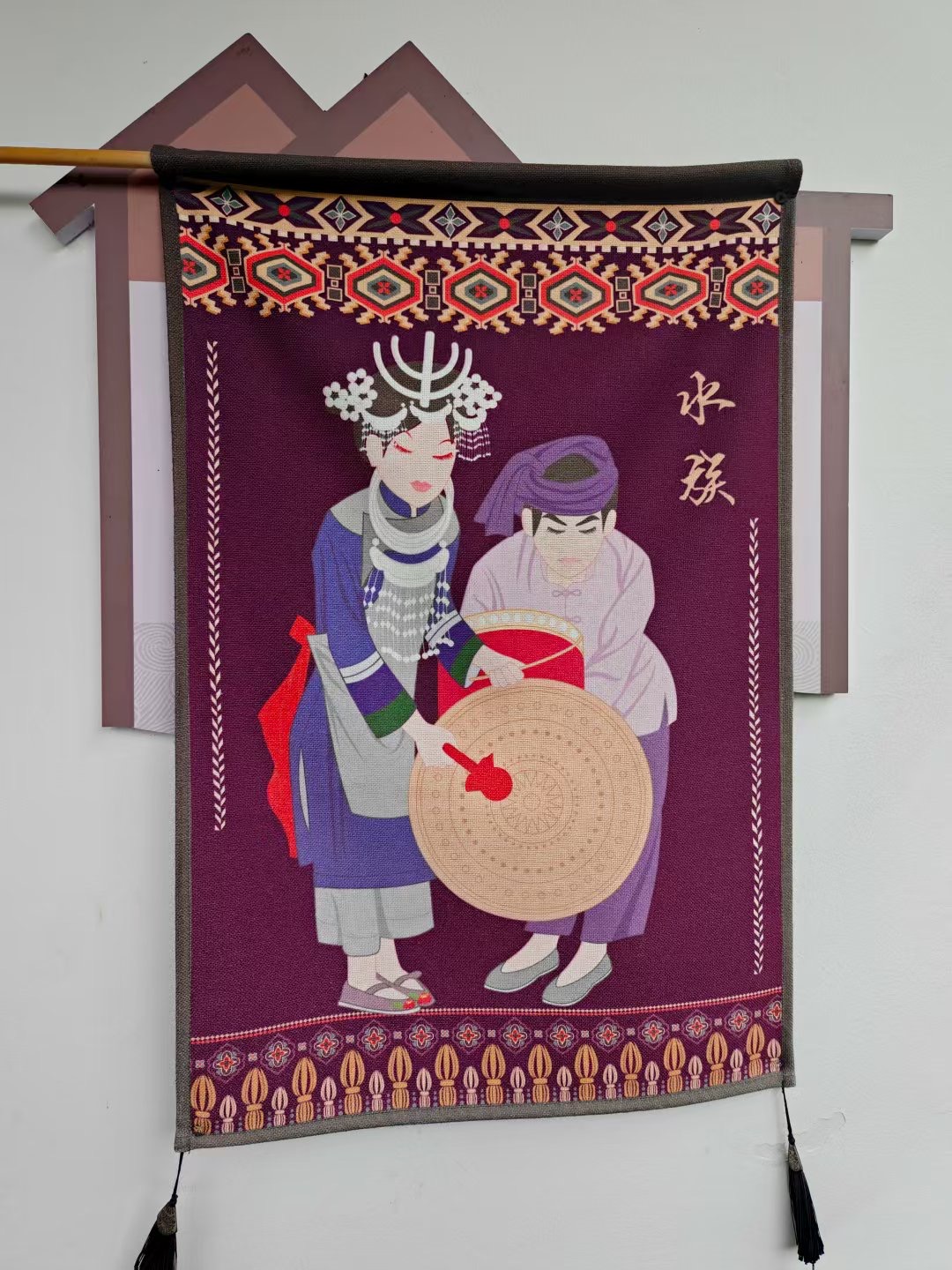
在中国贵州的群山之间,流传着一门独特的传统刺绣技艺——水族马尾绣。它将看似寻常的马尾转化为精致的艺术作品,世代传承于水族女性之间,也承载着一个民族的审美、习俗与文化记忆。
与普通刺绣不同,马尾绣最特别的地方,在于它使用真正的马尾作为刺绣材料。制作时,绣娘会先取三至四根马尾丝,用白色丝线紧密缠绕,制成一根坚韧而富有立体感的绣线,再沿着图案的轮廓进行盘绣,最后以彩色丝线填充其中,并结合平绣、十字绣等传统技法,逐渐形成层次丰富的纹样。由于马尾绣线本身具有一定的厚度,完成后的图案往往呈现出独特的浮雕质感,仿佛将平面的刺绣变成了一件微型雕塑。
马尾绣被广泛运用于水族传统服饰、鞋帽、背带、荷包及各类装饰品之中。其中,最具代表性的作品之一便是传统婴儿背带——歹结。这些背带不仅承担着日常生活中的实用功能,也通过繁复的纹样和精细的刺绣,展现着水族独特的文化审美。一件完整的传统歹结往往需要耗费绣娘近一年的时间才能完成。每一道纹路、每一处针脚,都凝聚着她们长时间的耐心与心血。
2006年,水族马尾绣被列入中国首批国家级非物质文化遗产名录。然而,它的价值远不止于精湛的制作技艺。作为一门长期由女性传承的手工艺,马尾绣凝聚着一代又一代女性积累的知识、创造力与生活经验。那些被一针一线编织出来的图案,不仅记录着一个民族的文化,也见证着无数女性如何用自己的双手延续这份传统。
而在这些精美的作品背后,是像刘姐这样的传统手艺人。对刘姐而言,刺绣不仅是一种谋生的方式,更是她与自己的民族文化保持联系、将这份文化传递给下一代的途径。尽管家庭责任占据了她大量的时间,她也曾因为坚持经营自己的刺绣店而遭到家人的不理解,但她始终没有放弃创作。她希望通过自己的双手,让这门承载着民族记忆的技艺继续流传下去。她的坚持也让我意识到,文化传承从来不是自然而然发生的。它需要有人愿意付出时间、心血与热爱,才能在时代的变化中继续延续。
如今,随着社会不断发展,传统手工艺也面临着如何走近年轻一代的挑战。保护一门传统技艺,不应当只是将它保存于博物馆或历史记录之中,更重要的是让当代人有机会真正认识、欣赏并支持这些手艺,以及创造这些作品的人。因此,我们希望通过这个线上展览,让刘姐和其他传统手艺人的作品走出群山,走进更广阔的世界,也让更多年轻人有机会了解这些正在被忽视的文化。
每一件马尾绣作品所承载的,都不只是丝线与纹样,还有创造它的双手、塑造它的故事,以及那些值得被听见的声音。传承一门传统技艺,不仅意味着留住过去,也意味着让那些愿意延续它的人,拥有走向未来的机会。
