
Wang's Bookstore “王大爷”的书店
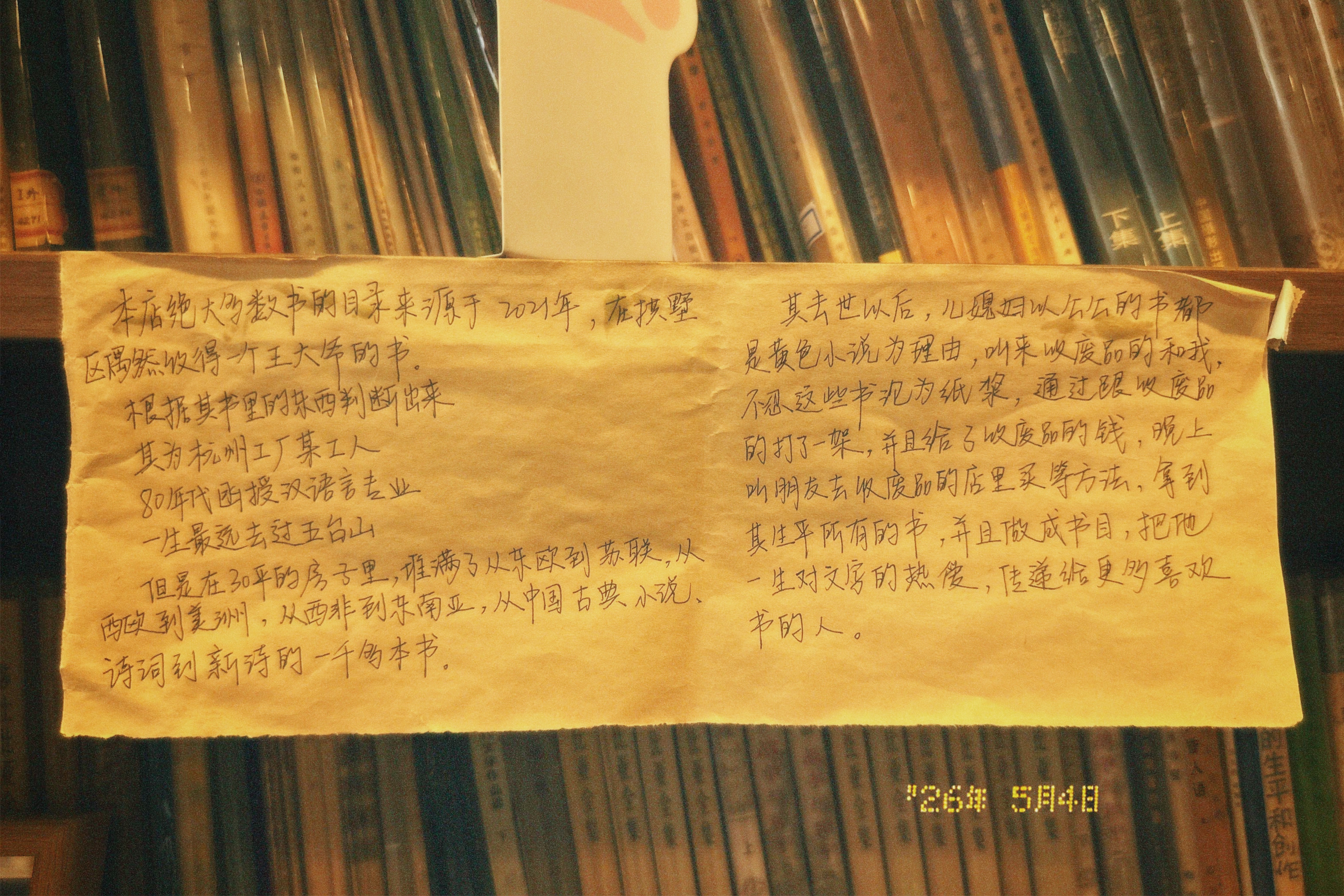
我们步入的一家书店贴着这么一张告示:
“本店绝大多数书的目录来源于2021年,在拱墅区偶然收得一个王大爷的书。
根据其书里的东西判断出来
其为杭州工厂某工人
80年代函授双语语言专业
一生最远去过五台山
但是在30平的房子里,堆满了从东欧到苏联,从西欧到美洲,从西非到东南亚,从中国古典小说、诗词到新诗的一千多本书。
其去世以后,儿媳妇以占公公的书都是黄色小说为理由,叫来收废品的和我。不忍这些书沦为纸浆的我,通过跟收废品的打了一架,给收废品的钱,以及晚上叫朋友去收废品的店里买回等方法,拿到其生平所有的书,并且做成书目,把他一生对文学的热爱,传递给更为喜欢书的人。”
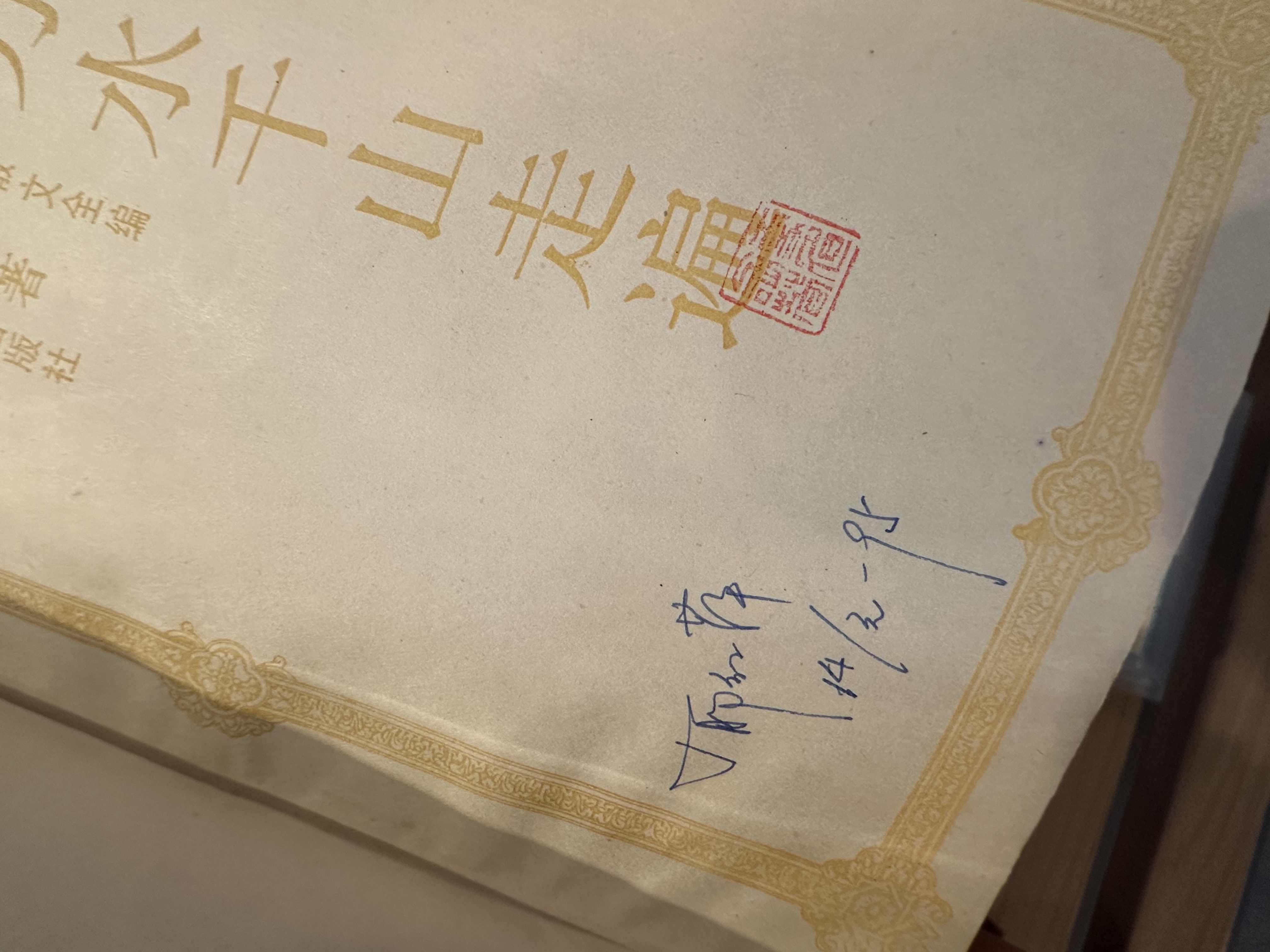
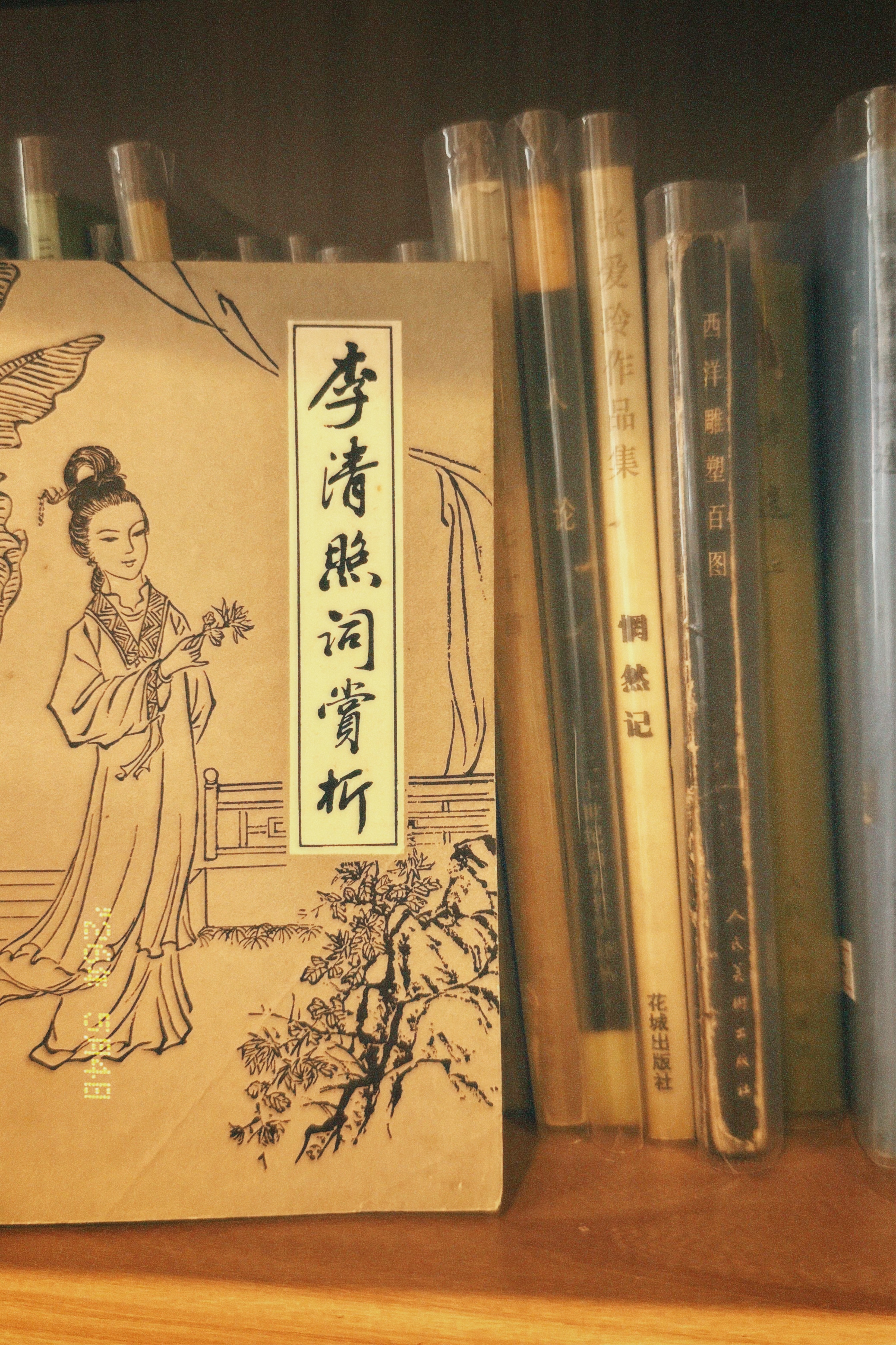
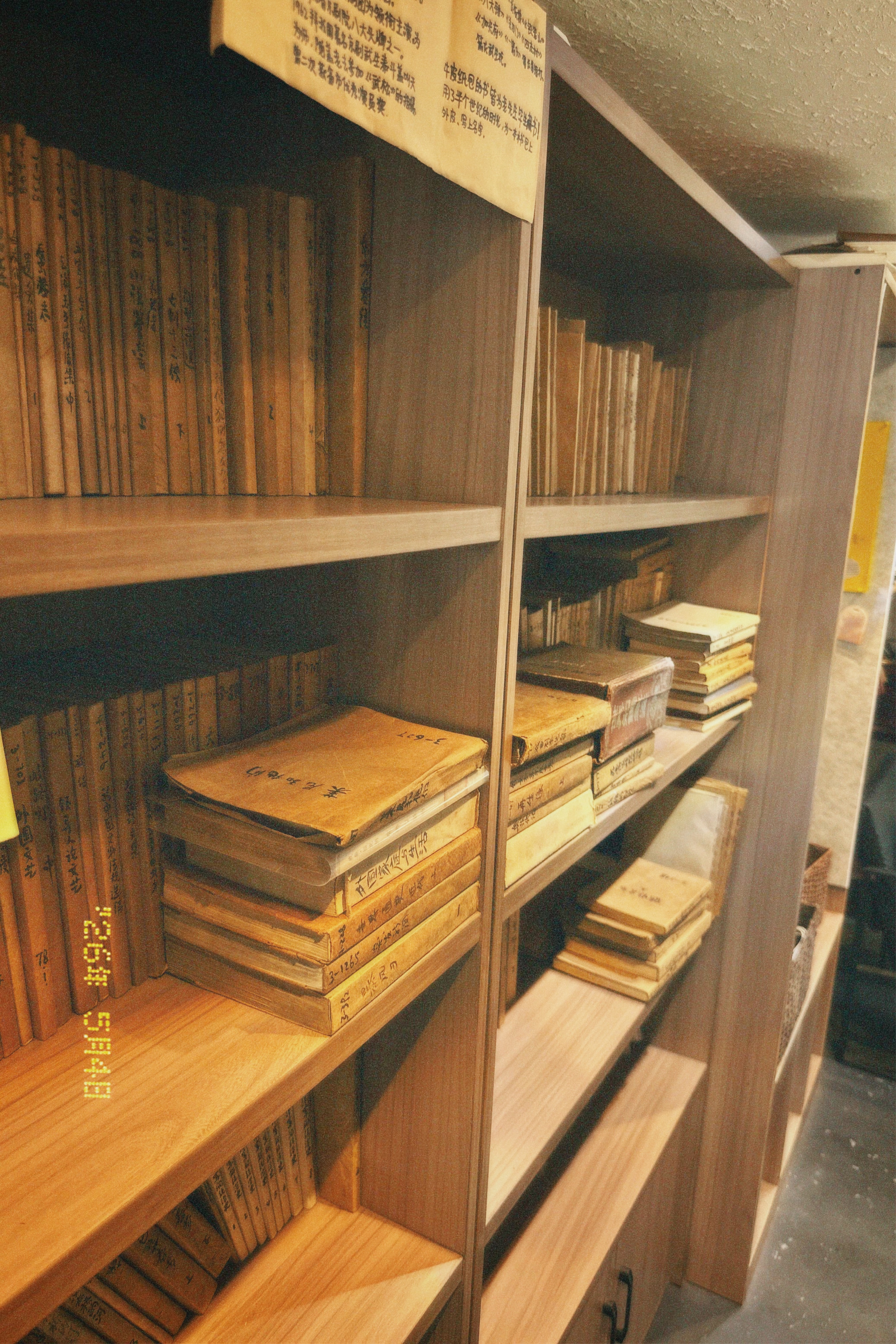
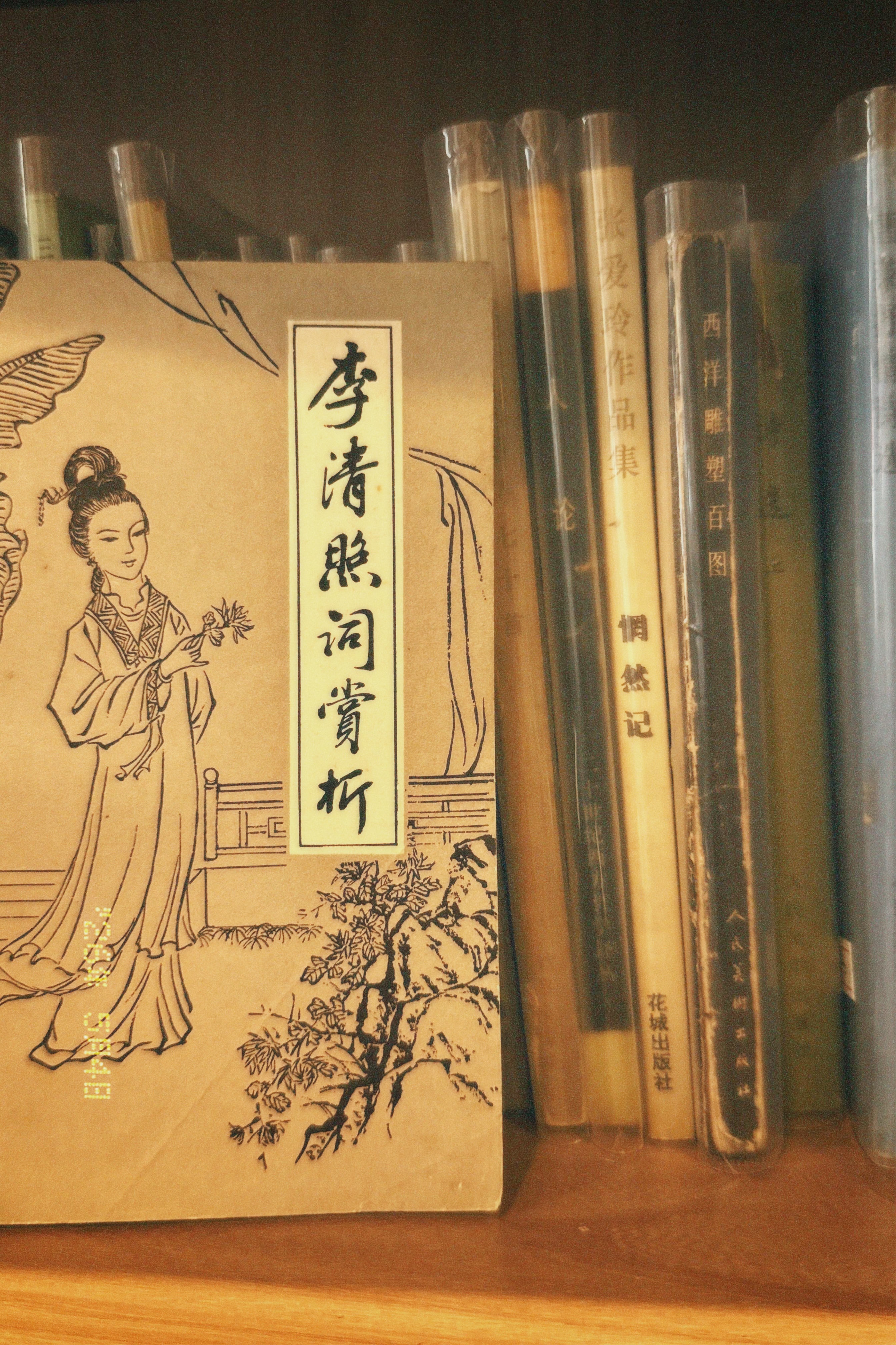
店里的东西不多,两层,上面是阅读区,下面是图书区。书架上除了各种泛黄的书,还夹杂着一些老式唱片和碟带,据说也是王大爷的遗物。一个一生最远也不过往北一千公里的人,收藏着来自世界另一端的禁书。我好像闻到了他思想的味道,是有一些潮湿的、陈旧的、却依旧顽强地在那里的纸张。
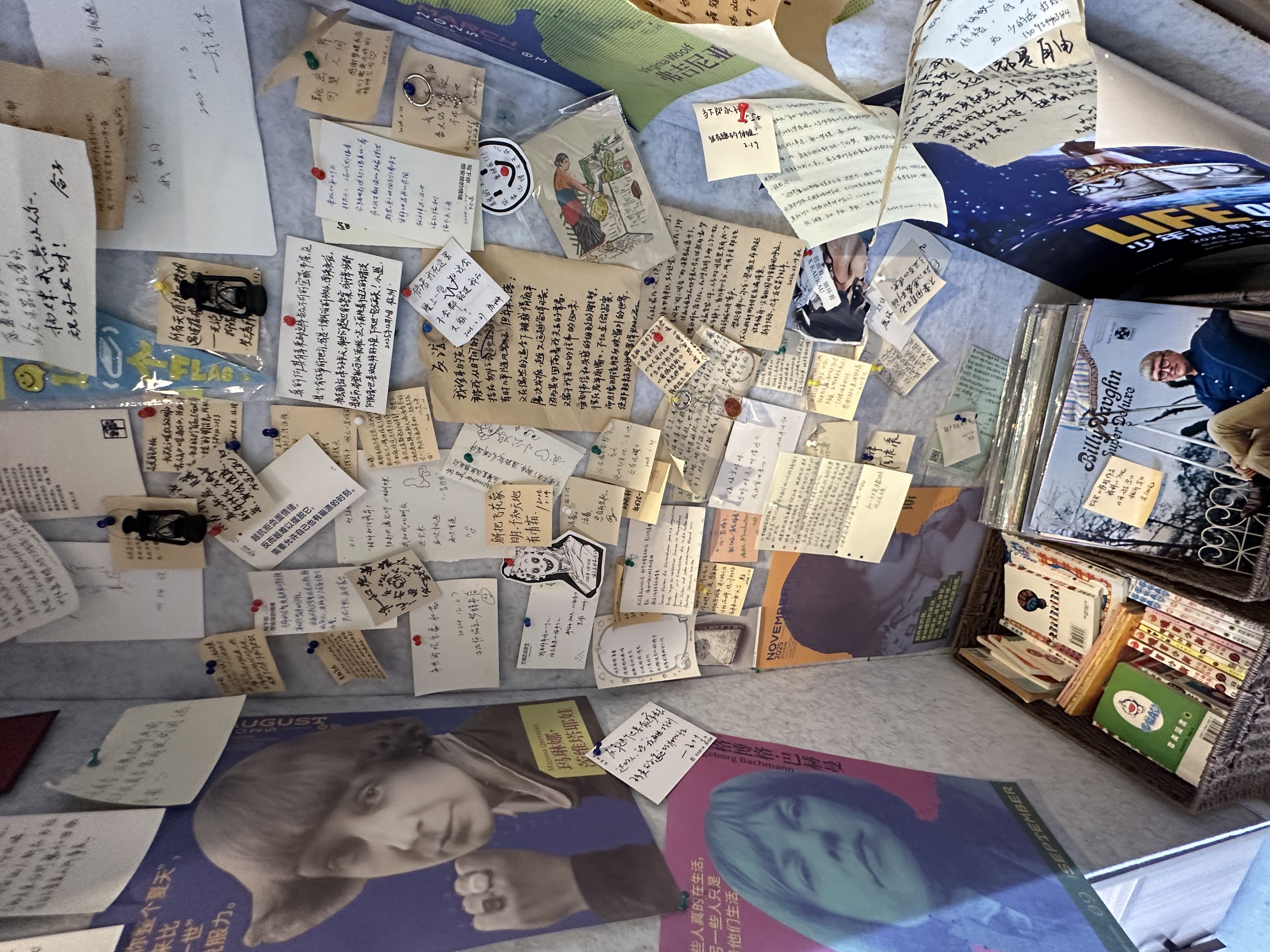
王大爷的故事让我们看见,文化的传承不一定发生在宏大的历史叙事里,也可能藏在一个普通人几十年的阅读中。那些书曾经构成了他认识世界的方式,而在他离开以后,又因为另一个人的坚持,得以继续走进更多人的生活。
对 Bridgery 而言,传承的意义不止于保存传统文化,也在于记录那些容易被忽略的个人经历与精神世界。无论是一门逐渐失传的手艺,还是一个普通人对文学始终不变的热爱,它们都值得被留下。因为我们记录的不只是事物本身,更是一个人如何理解世界,以及那些超越个人生命、仍然能够被后来者接续的信念。
A bookstore we stepped into had a notice posted on its wall:
“Most of the books in this store were catalogued in 2021, when I happened to come across the collection of an elderly man named Wang in Gongshu District.
Judging from the books he owned, he was a factory worker in Hangzhou who studied languages through correspondence courses in the 1980s.
The furthest north he had ever travelled was Mount Wutai.
Yet in his 30-square-metre apartment, he had accumulated over a thousand books, spanning Eastern Europe and the Soviet Union, Western Europe and the Americas, West Africa and Southeast Asia, from classical Chinese novels and poetry to modern verse.
After he passed away, his daughter-in-law claimed that his books were all obscene novels and called in a scrap dealer to collect them. Unable to bear the thought of these books being reduced to pulp, I fought with the scrap dealer, paid him for the books, and even asked friends to help me buy them back from his shop that evening. Eventually, I recovered his entire collection and catalogued it, hoping to pass on his lifelong love of literature to others who would appreciate these books.”
The bookstore was small, with two floors: a reading area upstairs and shelves of books below. Among the yellowed pages were old records and cassette tapes, which were also said to have belonged to Mr. Wang. A man who had rarely travelled more than a thousand kilometres north of his home had collected banned books from the other side of the world. I could almost smell the world of ideas he had inhabited: the scent of paper, damp and aged, yet somehow still enduring.
Mr. Wang’s story showed Bridgery that cultural preservation does not always take place within grand historical narratives. Sometimes, it lives in the decades of reading accumulated by an ordinary person. The books had once shaped the way he understood the world, and after his passing, through the persistence of another person, they were given the chance to become part of other people’s lives.
To Bridgery, preservation means more than safeguarding traditional culture. It also means documenting the personal experiences and inner worlds that are so easily overlooked. Whether it is a craft on the verge of disappearing or an ordinary person’s enduring love of literature, these stories deserve to be preserved. What we document is not simply the object itself, but also the way a person understands the world, and the beliefs that can outlive them and be carried forward by those who come after.