Liu's Hairpin 刘奶奶的发簪
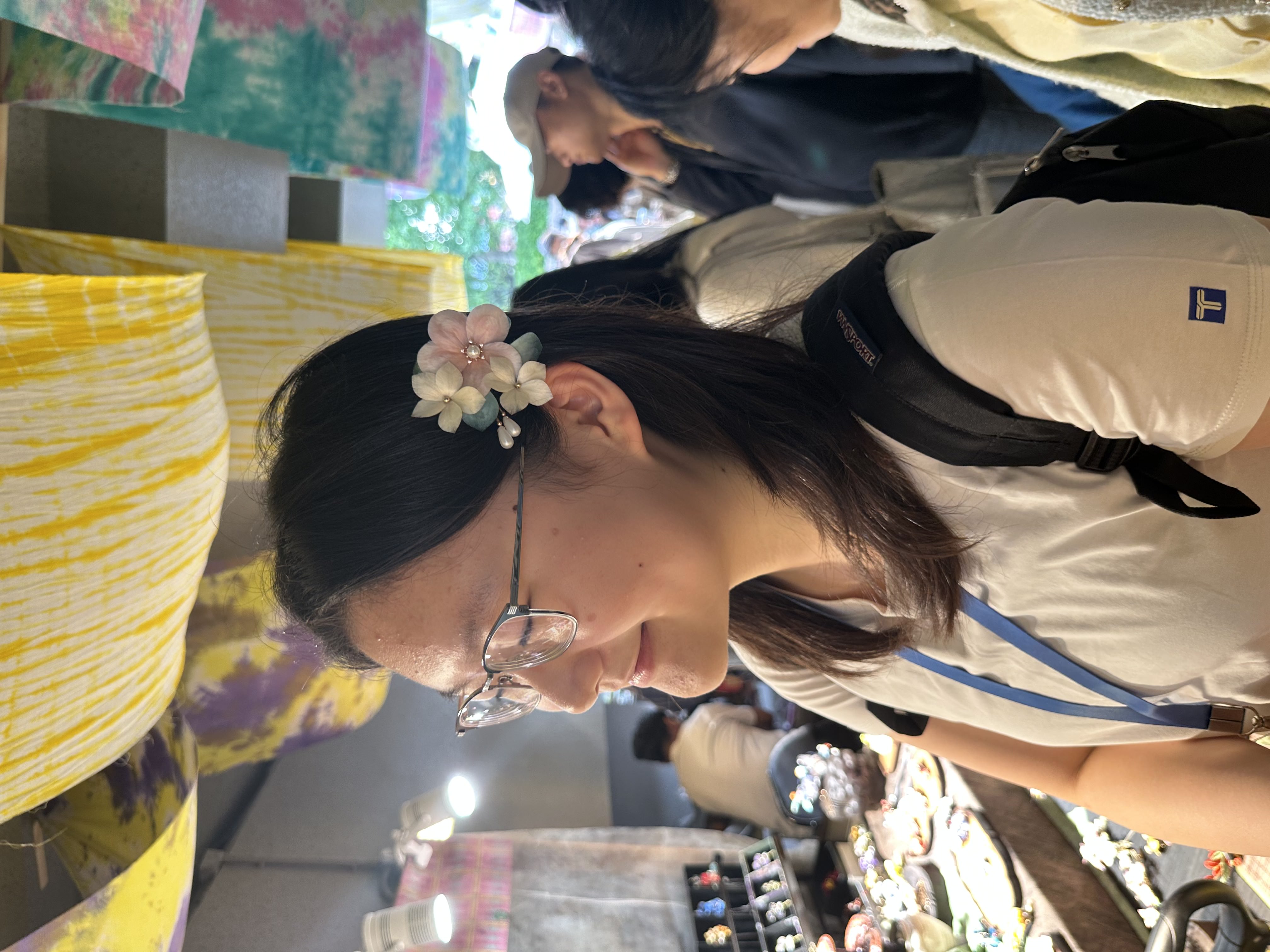
When we were in Shanghai, we stopped at a small stall selling traditional hairpins. To our surprise, the designs were quite different from the round hairpins worn by Fucha, a consort during the Kangxi period, that we had imagined. These hairpins were more delicate in shape and brighter in colour. Some were adorned with blooming flowers, while others took the form of golden leaves that glimmered under the light. The stall owner, Grandma Liu, told us, “Those traditional designs no longer fit modern tastes. People today can’t accept them.”
She enthusiastically helped us try on different hairpins, complimented us sincerely, and even took photos for us, almost as if we were her own daughters. As she adjusted the ornaments in our hair, she told us about the stories behind their designs. She said that young people rarely stopped by her stall, but she continued to adapt traditional craftsmanship because she wanted more of them to discover Chinese culture and history. To her, hairpins should not exist only in period dramas and historical paintings. They could also become part of people's lives today.
With excitement, she told us a romantic story about the origins of flower hairpins. According to legend, a concubine in the Tang dynasty once wished for the entire spring as a birthday gift. The emperor was about to become angry at what he considered an unreasonable request, when a flower petal happened to fall onto the concubine's head. The petal became a gift from spring itself, and was said to have inspired the flower hairpin. These ornaments carry meanings of their own: a flower hairpin holds beauty close and conveys blessings, while a golden leaf represents abundance and captures the passage of time. What began as a simple ornament for the hair has become a symbol of wishes, changing seasons, and the hope for a beautiful life.
To make intangible cultural heritage more widely appreciated and ensure that traditional culture continues to be passed down, artisans are constantly innovating and adapting their crafts. Bridgery hopes to document the dedication behind these changes: traditional culture does not have to remain frozen in the past. As long as there are people willing to understand the stories and emotions it carries, it can continue to grow in a new age.
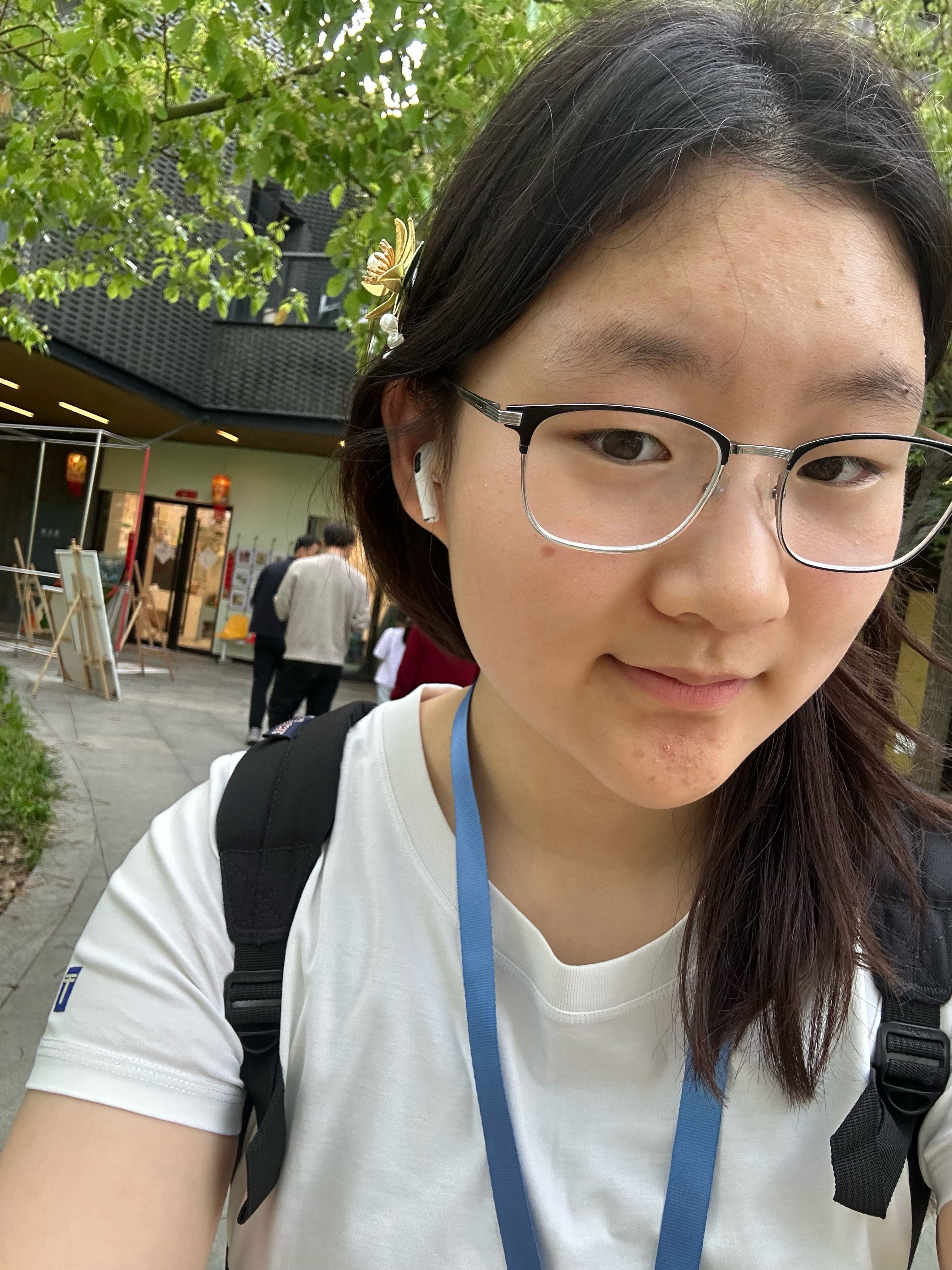
在上海的时候,我们走进了一个卖发簪的小摊。令人意外的是,这些簪子与印象中康熙时期富察氏佩戴的圆簪并不一样。它们的形态更加轻巧,色彩也更加鲜艳,有的缀着盛开的花朵,有的做成金黄的叶片,在灯光下泛着细碎的光。摊主刘奶奶告诉我们:“因为那样子就和现在审美不符了,现在的人无法接受传统的簪子。”
她热情地给我们尝试了许多发簪,真诚地夸赞我们,帮我们拍照,唤我们“闺女”女。她一边替我们整理发间的簪子,一边讲述这些设计背后的故事。她说,年轻人很少会在铺子面前停留,但她一直在尝试改变传统手艺,就是希望年轻人可以多看看中国的文化和历史。对她而言,发簪不应该只存在于古装剧和历史画像里,也可以成为今天人们生活中的一部分。
她激动地讲述着关于发簪的浪漫趣事。相传唐朝皇宫里,有一位妃子在生辰之日许愿,希望得到整个春天。皇帝本要因她的无理取闹而发怒,却恰好有一片花瓣落在了妃子的头上。于是,这片花瓣被视作春天的馈赠,也成为了花簪的由来。原本只是装饰头发的物件,也因此有了关于愿望、季节与美好生活的想象。
为了让非遗被更多人喜欢、让传统文化真正传承下去,匠人们一直在持续创新、灵活改良。而 Bridgery 希望记录的,正是这些变化背后的坚持:传统文化并不一定要停留在过去的模样。只要其中的故事与情感仍然有人愿意理解,它就可以在新的时代里,继续生长。